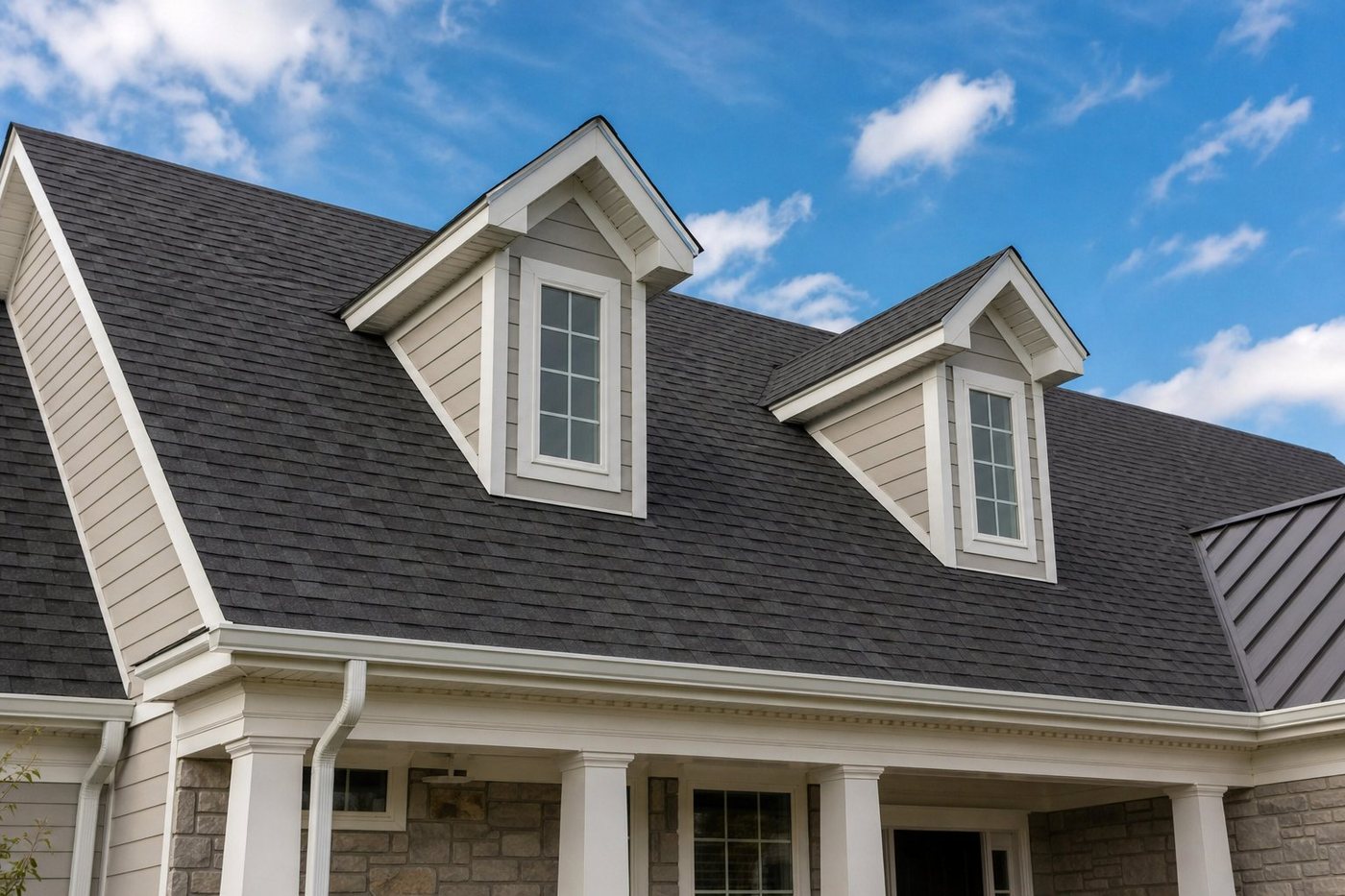
A roof replacement is one of the few projects that touches your entire home at once, so it is natural to want to know exactly what will happen. This is the honest version — including the parts nobody usually mentions.
Before the first tile moves
Good roofing begins with preparation, not demolition. Expect us to:
- Inspect the deck, flashing, valleys and ventilation — not just the shingles you can see from the street.
- Confirm material choices: architectural shingles, metal, or a lighter reflective option for warmer rooms.
- Agree a plan for your garden, driveway and any solar equipment, and cover what needs protecting.
- Give you a written weather window, because roofing is one trade that genuinely answers to the sky.
Tear-off day
The noisiest part happens on the first full day. Old coverings come off, the deck is checked board by board, and any soft or rotten timber is replaced. This is the moment to ask questions — if we find something unexpected, you will hear about it before we fix it, with a price attached.
Practical tip
If you work from home or have small children, plan a quiet outing on tear-off day. It is quick, but it is loud.
Ventilation: the invisible half of the job
A roof that cannot breathe will fail early, no matter how good the shingles are. Intake vents at the eaves and exhaust vents near the ridge keep attic air moving, which reduces condensation, protects insulation and keeps upper rooms cooler. When we quote a roofing upgrade, ventilation and insulation are part of the conversation — not an afterthought.
Installation, in order
- Underlayment and ice-and-water protection at vulnerable edges.
- New flashing and drip edge, sealed properly at chimneys and walls.
- Shingle or panel installation in courses, with ridge caps finished last.
- Gutters cleaned out, magnetic sweep for nails, and a final visual inspection from the ground and the ridge.
Weather delays are normal
Most roofing projects finish within a few working days, but rain, high wind and freezing temperatures can pause work for safety and quality. We would rather wait a morning than seal a roof that will leak. Your project lead will keep you posted, and your home stays watertight throughout.
When the crew leaves
A proper handover covers more than the roof itself:
- A walkthrough with photos of the finished work.
- Warranty registration for materials and workmanship.
- Notes on what to check after heavy storms, and what to leave alone.
- Guidance on when to think about gutters, insulation or solar next.
A new roof is the single most protective upgrade you can give a home — and the one that most improves how the whole property looks from the street.
Pairing a replacement with solar or attic insulation while the roof is open is both cheaper and smarter, so ask us about combined planning before you book.